Roof replacement, built to last.
When repairs stop making sense, a full replacement gives your home a roof matched to what DFW Metro weather actually throws at it: triple-digit summers, hail, and straight-line wind.
Absolute Professional Roofing Contractors LLC replaces roofs for homeowners across the DFW Metro, from Plano and Frisco to Dallas, McKinney, and the surrounding towns we serve. A full replacement means new decking where it's needed, new underlayment, new flashing, and a shingle or metal system installed to manufacturer specifications, not just a shingle swap over old problems. It's the right call when a roof has aged out, taken storm damage across most of its surface, or been patched so many times that another repair won't hold.
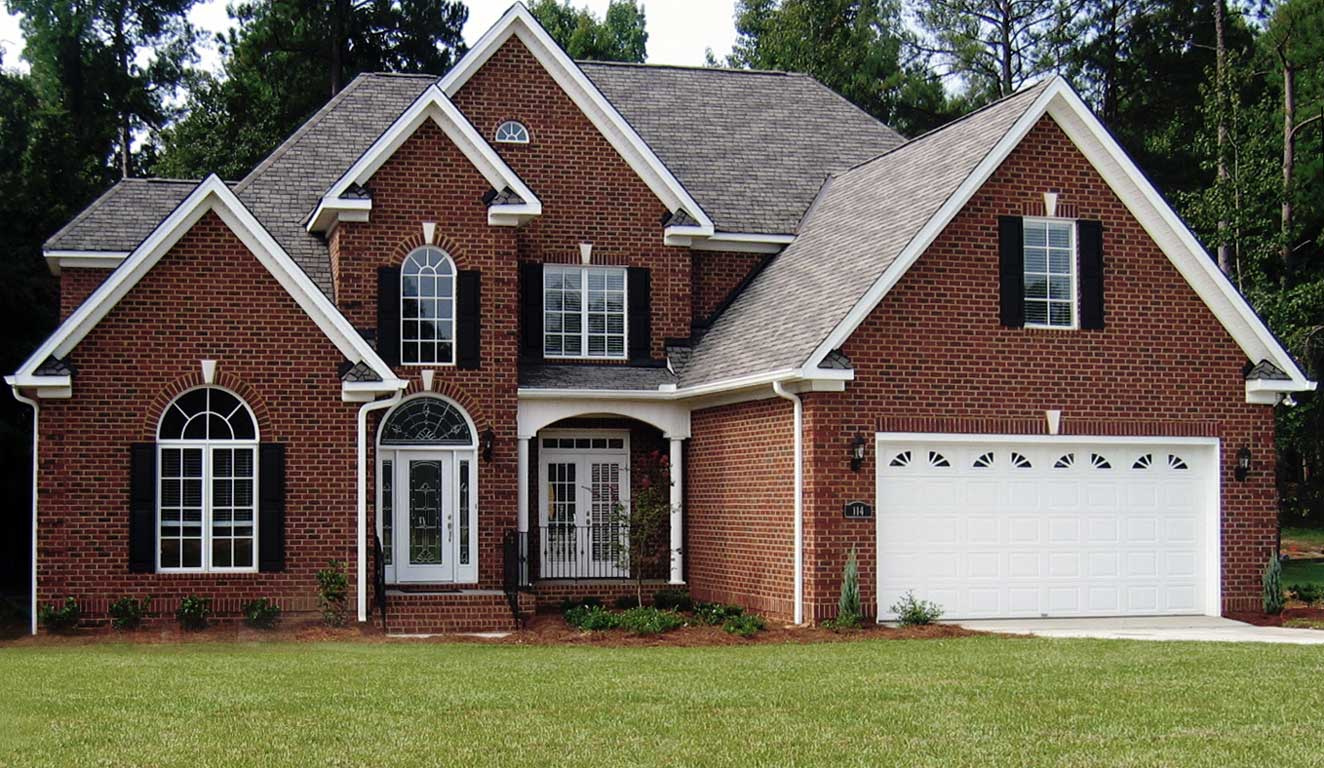
Is your roof telling you it's done with patches?
If you've called for the same leak twice, or a contractor keeps finding a new soft spot every time they're up there, the roof is past the point where spot repairs pay off. Curling shingles, bald patches where granules have washed away, and a roofline that looks tired from the street are all signs the asphalt has aged past its useful life. Once shingles curl, they stop lying flat and sealing against wind, so every storm after that gets a little worse. A full replacement resets the clock instead of chasing the next leak.
Warning signs to watch for
Curling or cupped shingles
Shingle edges lift and cup as the asphalt dries out from years of sun and heat cycling. Once they curl they no longer seal flat, so wind gets underneath and water gets behind them. This shows up first on the sun-facing slopes.
Granule loss and bald spots
Granules protect the shingle mat from UV, and heavy loss in the gutters or bald patches on the roof mean that protection is wearing thin. Even wear across the whole roof points to age rather than a single storm.
Brittle, cracking shingles
Shingles that crack in straight lines or crumble at the edge underfoot have lost their flexibility. At that point they can't be walked on for repairs without breaking more of them, which limits how much longer patching is realistic.
A roof near or past its expected life
Most asphalt roofs get replaced in their second or third decade, sooner in a hot, hail-prone climate like North Texas. Replacing on your own timeline, before a leak forces the issue, means you pick the material and the schedule instead of a storm doing it for you.
What is causing the problem
Years of heat cycling
North Texas summers bake a roof day after day, and that constant expansion and contraction is what dries out asphalt and causes curling over time.
Accumulated storm damage
Hail bruising and wind-lifted shingles that were never fully repaired add up over several storm seasons until more of the roof is compromised than intact.
Poor attic ventilation
A hot, poorly vented attic cooks shingles from underneath, shortening their life even when the roof surface looks fine from the ground.
Multiple failed repairs
A roof that's been patched repeatedly, especially around flashing and valleys, eventually reaches a point where another repair is just delaying the same failure.
What to expect during the visit
We inspect the shingles, flashing, and decking, starting with the sun-facing slopes where aging shows up first. We also check attic ventilation, since a hot attic accelerates shingle failure from below. From there we measure the roof and put together a replacement estimate, along with an honest read on how much life is left if you'd rather wait. If storm damage played a role, we'll flag what should be addressed before the next season. As a licensed, GAF factory-certified contractor, every replacement is installed to manufacturer specifications.
Related services you may need
A replacement is a good time to handle anything else on the roof at once. We commonly pair it with Ventilation & Energy Efficiency upgrades to keep attic heat in check, and with Gutters when the old gutters no longer fit the new roofline. If storm damage is part of the story, our Storm & Hail Restoration team can help document it for insurance first.
The cost of waiting
A roof that's curling or balding today doesn't stay that way. Small leaks at seams and valleys turn into rotted decking, and rotted decking turns a straightforward replacement into a bigger structural repair. Every season an aging roof goes unreplaced is another season of wind and heat working against seals that are already failing. Waiting through one more storm cycle is usually what turns a planned replacement into an emergency one.
How do I know if I need a full roof replacement instead of a repair?
It usually comes down to how widespread the damage is. If curling, cracking, or granule loss covers most of the roof, or if you've had several separate repairs in the last few years, replacement is generally the more cost-effective path than continuing to patch. A roof with isolated damage on an otherwise sound surface is more likely a repair candidate.
How long does a roof replacement take?
Timeline depends mainly on the size of the roof, the material chosen, and weather during the project. Steeper or more complex rooflines and premium materials like metal or upgraded shingles add time compared to a straightforward asphalt tear-off and reinstall.
What roofing materials do you install?
We're GAF factory-certified, which makes extended factory warranties available on qualifying installs, and we also work with brands like Owens Corning, CertainTeed, and Atlas depending on what fits your home and budget.
If your roof is showing its age, call Absolute Professional Roofing Contractors LLC for a free inspection anywhere in the DFW Metro. We'll give you a straight answer on whether it's time to replace.