Ventilation and energy efficiency, cooler attics.
A roof that can't breathe cooks itself from the inside and drives your cooling bills up right along with it. We design ventilation and radiant barrier systems for homes across the DFW Metro that pull heat out of the attic before it works its way into your living space.
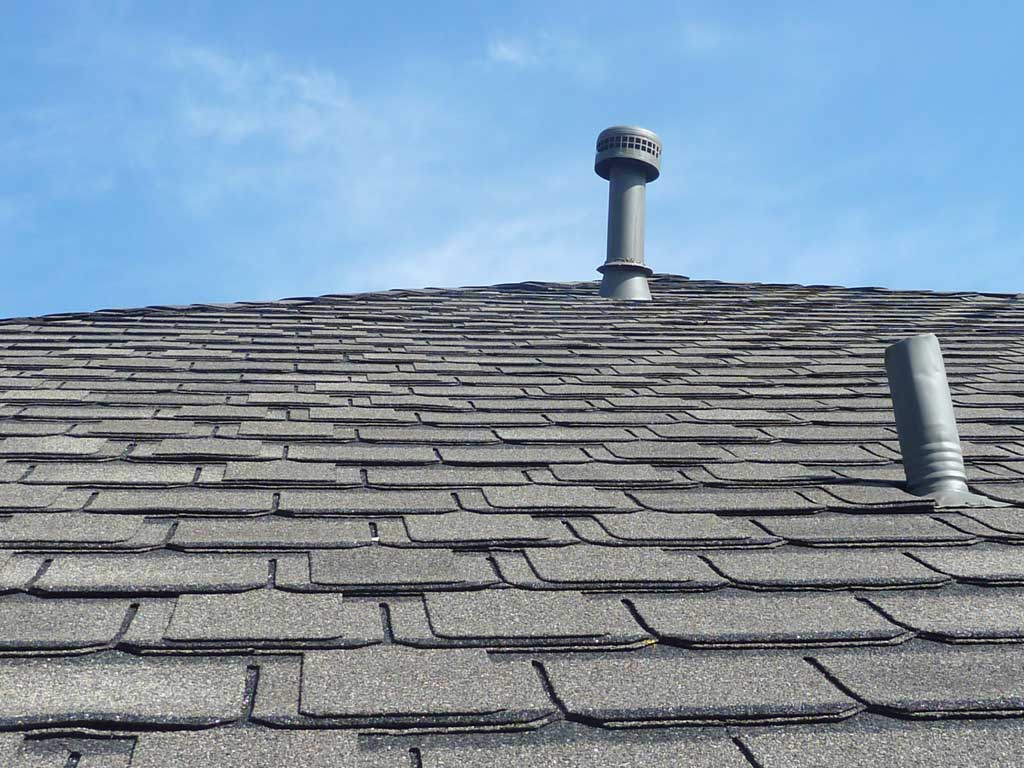
Absolute Professional Roofing Contractors installs and repairs attic ventilation and energy efficiency systems for homes across the DFW Metro, including Plano, Dallas, Frisco, McKinney, and the surrounding towns. That covers ridge vents, high-flow turbines, solar-powered attic fans, and radiant barrier systems that work together to move hot air out and keep the roof deck cooler. Texas summers push attic temperatures far past what a poorly vented roof can handle, and that heat doesn't stay in the attic. It radiates down into ceilings, works your air conditioner harder, and shortens the life of the shingles above it.
Is your DFW Metro attic trapping heat it shouldn't?
If the upstairs runs hotter than the rest of the house no matter what the thermostat says, or your cooling bills climb every summer without a clear reason, your attic ventilation is likely working against you instead of for you. A properly vented attic pulls in cooler air at the eaves and pushes hot air out near the ridge, keeping the space close to outdoor temperature. When intake or exhaust is blocked, undersized, or missing altogether, that hot air has nowhere to go, and it sits against your decking and insulation all day. The fix usually starts with measuring what's actually moving through the attic right now, not guessing.
Warning signs to watch for
Upstairs rooms that never cool down
If the second floor stays noticeably hotter than the rest of the house even with the AC running, heat is likely radiating down from an overheated attic. That usually means the intake and exhaust path isn't moving enough air to keep pace with Texas sun.
Rising cooling bills without a clear cause
A hot attic makes your air conditioner work harder to fight heat pushing through the ceiling. If your energy costs have crept up year over year with no other change, ventilation is worth a look before you assume it's the unit itself.
Musty smell or staining on the attic decking
Warm, damp air trapped in the attic condenses on cooler surfaces, leaving dark staining or a musty odor behind. This often traces back to bathroom or dryer fans venting into the attic instead of outside, and it needs to be caught before it turns into rot.
Shingles aging faster than they should
A hot attic cooks shingles from underneath, which shows up as curling, cupping, or granule loss well before the roof's expected age. If a roof is showing wear ahead of schedule, the ventilation underneath it is often part of the story.
What is causing the problem
Unbalanced intake and exhaust
A roof needs both intake at the eaves and exhaust near the ridge working together. Adding exhaust vents without enough intake, or the reverse, leaves the system unable to actually move air through the attic.
Blocked soffit vents
Insulation pushed too far into the eaves during a past attic job can bury the soffit vents completely. Once intake is blocked, even a good ridge vent has nothing to pull from.
Bathroom or dryer fans venting into the attic
Exhaust fans that were never ducted all the way outside dump warm, moist air straight into the attic space. Over time that moisture can soften decking and needs attention beyond just adding more vents.
An aging roof with no radiant barrier
Older roofs installed without a radiant barrier let more heat pass straight through the decking into the attic. On a full roof replacement, adding a radiant barrier is one of the more effective upgrades for cutting attic temperature.
What to expect during the visit
We start by measuring your current intake and exhaust against the size of the attic, because a mismatch is the most common reason ventilation underperforms. We check whether soffit vents are actually open and unblocked, and we look at where every bathroom and dryer fan terminates. From there we recommend the right combination for your roof, whether that's a ridge vent, turbines, solar-powered attic fans, or a radiant barrier system, and explain how it fits if you're also due for a roof replacement. We're a licensed and insured roofing contractor in Texas, license number 80001716, so the work is documented and covered from start to finish.
Related services you may need
Ventilation problems often show up alongside roof age or moisture issues elsewhere in the system. If we find soft decking, active leaks, or shingles past their service life during the inspection, we'll walk you through Roof Repair or Roof Replacement so everything gets addressed at once instead of piecemeal.
The cost of waiting
A ventilation problem rarely stays small. Trapped heat keeps cooking the shingles from below, which shortens the life of a roof that would otherwise last much longer, and trapped moisture from unvented fans keeps working on the decking until it softens. What starts as a slightly hotter upstairs and a marginally higher power bill can turn into premature shingle failure or rot that has to be cut out and replaced. Catching it early keeps the fix limited to ventilation instead of the roof deck underneath it.
How do I know if my attic ventilation is actually a problem?
The clearest signs are an upstairs that stays hot despite the AC, cooling bills that keep climbing, or shingles aging faster than expected. A visual check of the intake and exhaust vents, along with attic temperature and airflow, tells us whether the system is undersized, blocked, or working as it should.
What drives the cost of a ventilation upgrade up or down in the DFW Metro?
Cost depends mainly on how much of the roof needs new venting, whether the attic requires added intake as well as exhaust, and whether a radiant barrier is included as part of the work. A simple turbine or vent swap is a smaller job than a full ridge vent and radiant barrier system installed across the whole roof.
Can ventilation be added without replacing the whole roof?
Yes, ridge vents, turbines, and solar-powered attic fans can typically be added or upgraded on an existing roof without a full replacement. A radiant barrier is easiest to add during a roof replacement, but standalone attic-side installation is also an option depending on the attic's layout.
If your attic is running hotter than it should or your energy bills keep creeping up, call Absolute Professional Roofing Contractors and we'll take a look. We serve homeowners across the DFW Metro and will give you a straight answer on what your roof needs.